Bangkok is an undeniable powerhouse of commerce in Southeast Asia. Its towering skyscrapers, bustling traffic, and high-speed energy make it an essential stop for international executives navigating the Asian market. However, the relentless pace of back-to-back meetings often leaves professionals exhausted and longing for a reprieve. As corporate mindsets evolve, there is a growing consensus that business travel no longer needs to be a gruelling endurance test. This shift is explored deeply when redefining the modern business trip in Southeast Asia with bespoke luxury, highlighting how professionals are actively seeking restorative experiences to balance their high-stakes work. The trend of blending business with leisure is no longer merely an attractive perk but a strict necessity for longevity in demanding leadership roles.
The Real Cost of Corporate Burnout
Modern executives are facing unprecedented levels of workplace exhaustion. A recent global survey of C-suite executives highlighted that a staggering 67 percent report heightened stress levels, with a significant portion noting direct negative impacts on their physical health, sleep quality, and overall wellbeing. The pressure to remain constantly connected across multiple time zones only exacerbates this fatigue. Furthermore, data reveals that senior leadership and executive teams are twice as likely to extend their corporate trips for leisure activities compared to their non-management counterparts, simply to recover from the physical toll of their demanding schedules.
To combat this fatigue, leadership teams and corporate travel managers are fundamentally changing how they approach their professional itineraries. Adding leisure days onto work trips is a proven strategy to mitigate exhaustion and improve overall productivity upon returning. According to research from the Hospitality Sales and Marketing Association International, combining business trips with leisure activities helps employees maintain a healthier work-life balance, reducing stress and burnout. This fundamental shift is forcing the industry to adapt, and the era of flying in for a meeting and flying out the same night is rapidly ending.
Swapping High-Rises for Ocean Horizons
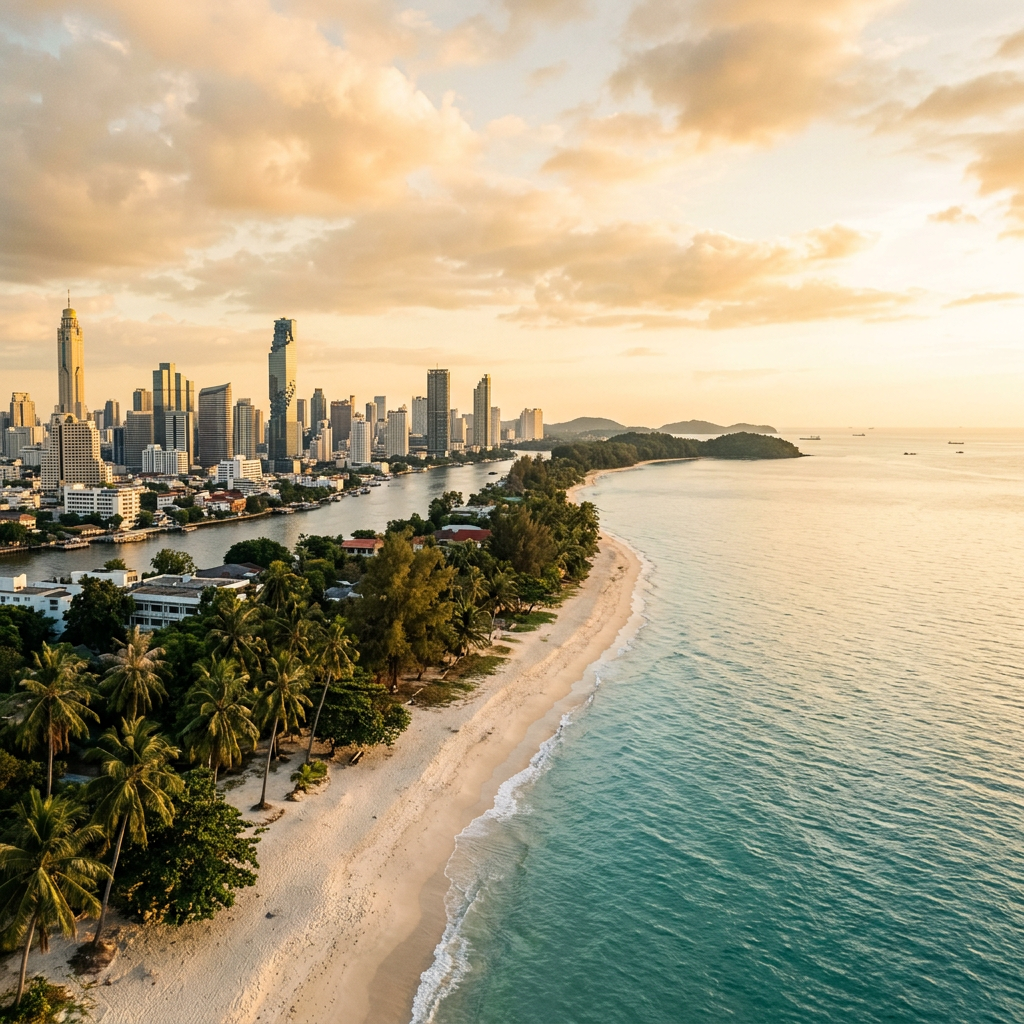
When the final contract is signed in a Bangkok boardroom, savvy executives are immediately looking south. Transitioning from the concrete jungle to the pristine coasts of the Andaman Sea offers an immediate psychological reset. Coastal destinations provide the quiet isolation needed to decompress from intense negotiations. Rather than booking into massive resort complexes that cater to loud tourist crowds and chaotic family holidays, working travellers extending their trips are becoming highly selective. They often seek out a thoughtfully designed boutique hotel, scrutinising smaller property details to find spaces that prioritise calm, privacy, and personal wellbeing.
Choosing the right accommodation is vital for this transition. Instead of standard corporate lodgings that feel sterile and unimaginative, these premium spaces focus on the smaller details that aid recovery. Things like bespoke artwork, ambient room scents, personalised concierge services, and private wellness facilities are no longer afterthoughts. This exceptional level of care allows professionals to truly switch off, ensuring they return to their home offices rejuvenated rather than severely depleted.
Why Thailand Leads the Bleisure Revolution
Thailand has quickly positioned itself as the premier hub for professionals seeking this crucial balance. The country seamlessly blends robust commercial infrastructure with world-class restorative sanctuaries. The demand for downtime here is exceptionally high, and recent travel outlooks show that 92 percent of surveyed business travellers in Thailand express a strong interest in extending their work trips for restorative leisure.
Several key factors contribute to Thailand’s dominance in this rapidly evolving travel sector:
- Strategic Visa Policies: The recent introduction of the Destination Thailand Visa offers a five-year, multiple-entry solution designed specifically for remote workers and digital executives. This regulatory update formally recognises the workcation sector, making extended coastal retreats legally straightforward.
- Regional Travel Trends: Recent surveys indicate that 76 percent of business travellers across the Asia-Pacific region now plan to combine corporate trips with personal leisure time, an intentional shift in how travel is funded, managed, and executed.
- Evolution of Corporate Mandates: Travel guidelines are shifting rapidly. Progressive organisations are actively moving away from standard business hotels, instead mandating accommodations that offer comprehensive wellness facilities to protect their human capital.
- Seamless Connectivity: Domestic travel between major commercial hubs like Bangkok and coastal sanctuaries like Phuket is incredibly efficient. Professionals can transition from intense boardrooms to a quiet beachfront in just a few hours.
Crafting Your Perfect Restorative Itinerary
Planning a successful bleisure trip requires intentional scheduling and clear boundaries. The key is to completely separate your work obligations from your recovery time. Dedicate the first portion of your trip entirely to your Bangkok meetings, then physically relocate to the coast for your downtime. This physical separation prevents the temptation to check emails or take quick conference calls during your designated rest period. By taking advantage of Thailand’s unique combination of high-level business hubs and world-renowned coastal retreats, you can transform a draining corporate obligation into a profoundly restorative journey.
Discover more from The Cameron Journal
Subscribe to get the latest posts sent to your email.